



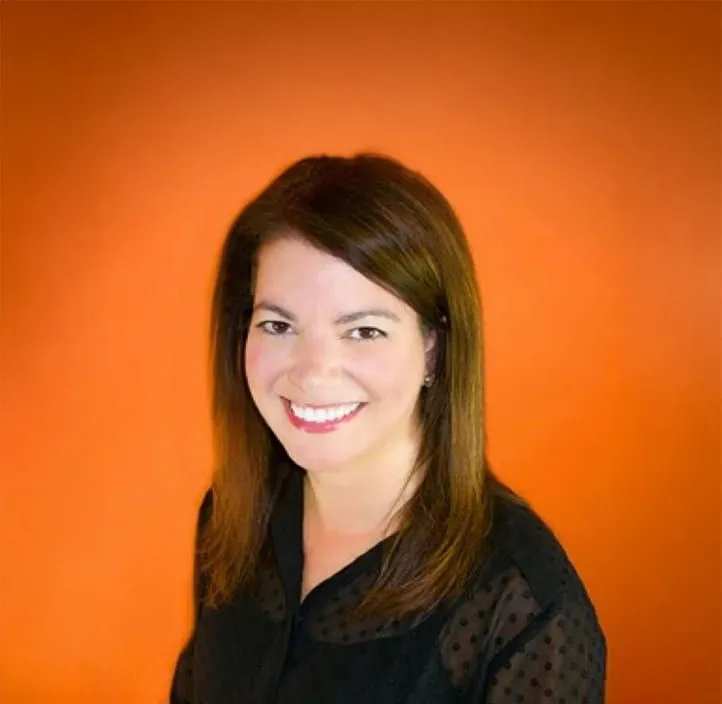




Dr. Luz Molina, known to her young patients as Dr. Lulu, is a pediatric dentist in Scottsdale, Arizona, and a mother of four. In this interview, she shares how she and her team help children feel safe, seen, and even excited to visit the dentist.
What do you do when a child comes into the office scared or won't cooperate?
For me, a good appointment starts long before the child walks through our door. Before the visit, we ask parents to fill out a medical history form that includes a few fun questions, like what their child loves. That way, when the patient arrives, we already know a little about them and can start building a connection right away.
We also know that, depending on a child's age and past medical or dental experiences, they may come in with some fears. So we look at things like when they last saw their pediatrician and whether that visit involved a shot or another procedure. A scared child isn't being "bad." Their body is telling them something doesn't feel safe, and our job is to change that feeling, not push through it. A big part of that is simply being prepared.
When a child arrives, our waiting room is designed to feel friendly and welcoming. Everyone on our team greets both the child and the parent, and we talk to the child directly so they feel important. In the exam area, we have puppets in all different colors and sizes that kids can use to practice brushing, plus lots of books. These help them warm up so the office feels safe instead of scary.
Next, my assistant introduces themselves, asks the parents a few questions, explains what to expect, and starts bonding with the child. Then I come in for the exam.
I've always talked to children like little adults. I get down to their level, look them in the eye, and because I already know some of the things they like, I can connect with them quickly. I love to read to them, because children love books. I keep a collection of very short books about tractors, cars, princesses, dragons, bears, and dogs, so I can pick one that matches each child's interests.
Then we sing songs together. Through my songs, I introduce the tools I'll use, like the bright light we use during the exam. Our tools get kid-friendly names too: the mirror is a "tooth counter" and the little straw is "Mr. Thirsty." As part of this role play, I gently touch their feet, shoulders, and hands. This shows them I'm not a threat, and it also helps me see how comfortable they are before I start the oral exam. Nothing happens as a surprise.
Kids love the stories and the singing. These moments really calm them, and they feel seen and understood before the exam even begins. And if a child still isn't ready, that's okay. Sometimes the whole first visit is a ride in the chair, counting teeth, and picking a prize. I would rather spend one short visit building trust than force a cleaning and create a fear that lasts for years.
A story that stands out
One patient I will always remember had been through many medical issues. Before his visit, his mom told us that his pediatrician and his other doctors all wore purple gloves, and he had come to connect them with fear. So on the day of his visit, we made sure no one on our team wore purple gloves. We had pink and blue ones instead.
I already knew he loved Mickey Mouse. As I came over to him, I used Mickey Mouse Clubhouse to explain what I was doing. I introduced my gloves as part of my "Toodles" tools for his exam, with a pink glove on one hand and a blue glove on the other.
He did amazingly well. His mom couldn't believe how calm he was, because he usually cries at every doctor's appointment. Knowing that one detail ahead of time, being prepared, and finding a creative alternative made his visit a complete success.
How do you change your communication style depending on a child's age or personality?
Again, it comes down to being prepared and paying close attention. As soon as I walk into the room, I start reading the child: how they talk with their parent, how they're sitting, and whether they make eye contact. Those little details tell me a lot about their personality and where they are developmentally. Some three-year-olds are very mature, while some six-year-olds act younger than their age or have learning differences, so I adjust to each child rather than to a number.
That said, age does give me a starting point:
- Babies and toddlers: Mom or dad is their comfort zone, so we often do the exam with the child sitting in a parent's lap. I keep it quick, gentle, and sing-songy.
- Preschoolers: This age runs on imagination. We count teeth, chase away "sugar bugs," and let them hold the mirror. Small choices, like which flavor or which prize, help them feel in control.
- School-age kids: They're curious, so I explain the why. They love seeing what the tools do and hearing specific praise, like "You kept your mouth open so well!"
- Teens: I talk to them like the young adults they are and treat them as partners in their own care.
We use a technique called Tell-Show-Do. First I tell the child what I'm going to do, then I show them, and then I do it. With some children, I go through these steps very slowly and calmly, using very simple words. With others, going too slowly actually makes them lose interest. By watching each child's personality and learning as much as we can about them, we know how to adjust the exam.
When a patient is really afraid, I always tell them that they are in control of their appointment. They can raise a hand any time they need a break. That simple promise calms them down and builds their trust in the care I'm going to give them.
How do you help parents feel comfortable trusting you with their children's care?
Parents want to know that we're prepared and that we already know their child. When we ask them questions ahead of time, they want to know we actually read the answers. So when I walk into the room and say, "Hi, Johnny! I heard you have a golden retriever named Poodles," the child's eyes light up. And the parents think, "She's paying attention. She took the time to get to know my child before the appointment."
I also bring parents into the exam. Parents are always welcome to be with their child, and nobody knows that child better than they do. We take photos and X-rays, and I show them the images and explain any treatment in plain language. The clinical photos often speak for themselves. I want parents to leave understanding what's going on in their child's mouth, not just holding a treatment plan.
Finally, I talk to parents not only as a pediatric dentist, but also as a mother of four. I know how busy family life is and how things can happen, so I never shame a parent about a cavity or a habit. Instead, I share practical tips that fit real life to help them take the best possible care of their children's teeth. And when parents see their little one relax, laugh, and walk out proud, that builds more trust than anything I could say.
What does it mean to you when a child who was once afraid of the dentist starts looking forward to appointments?
Honestly, that's the goal. We see children from a very young age, and we know that one day they'll graduate from our practice. It's a sweet process, and sometimes a sad one, because over the years these patients become like family to us.
It means so much when parents tell me, "Oh my gosh, they talk about you all the time! 'Where's Dr. Lulu? When are we going back to see Dr. Lulu?'" That's when I know I'm making a difference. I always say that in 20 years, they may not remember my name, but they'll always remember how they felt at the dentist: how comfortable it was and how much fun they had. A child who grows up feeling that way is far more likely to become an adult who takes care of their teeth and isn't afraid to get help when they need it. That's the biggest reward.
This is especially true for the kids who were once very afraid. When the same child who cried in the parking lot comes back and gives me a hug, brings me a drawing, or proudly pretends to be Dr. Lulu, I know I'm changing lives. It makes me so happy to have a job I truly love.
Schedule a visit with Dr. Lulu
If your child is nervous about the dentist, or has a fear from past medical visits, let us know when you book. We'll use what you tell us to plan a calm, unhurried first visit. Call (480) 955-5858 or request an appointment.
Related: Care for special needs and anxious children · How to prepare an anxious or sensory-sensitive child for the dentist · Meet Dr. Lulu Molina